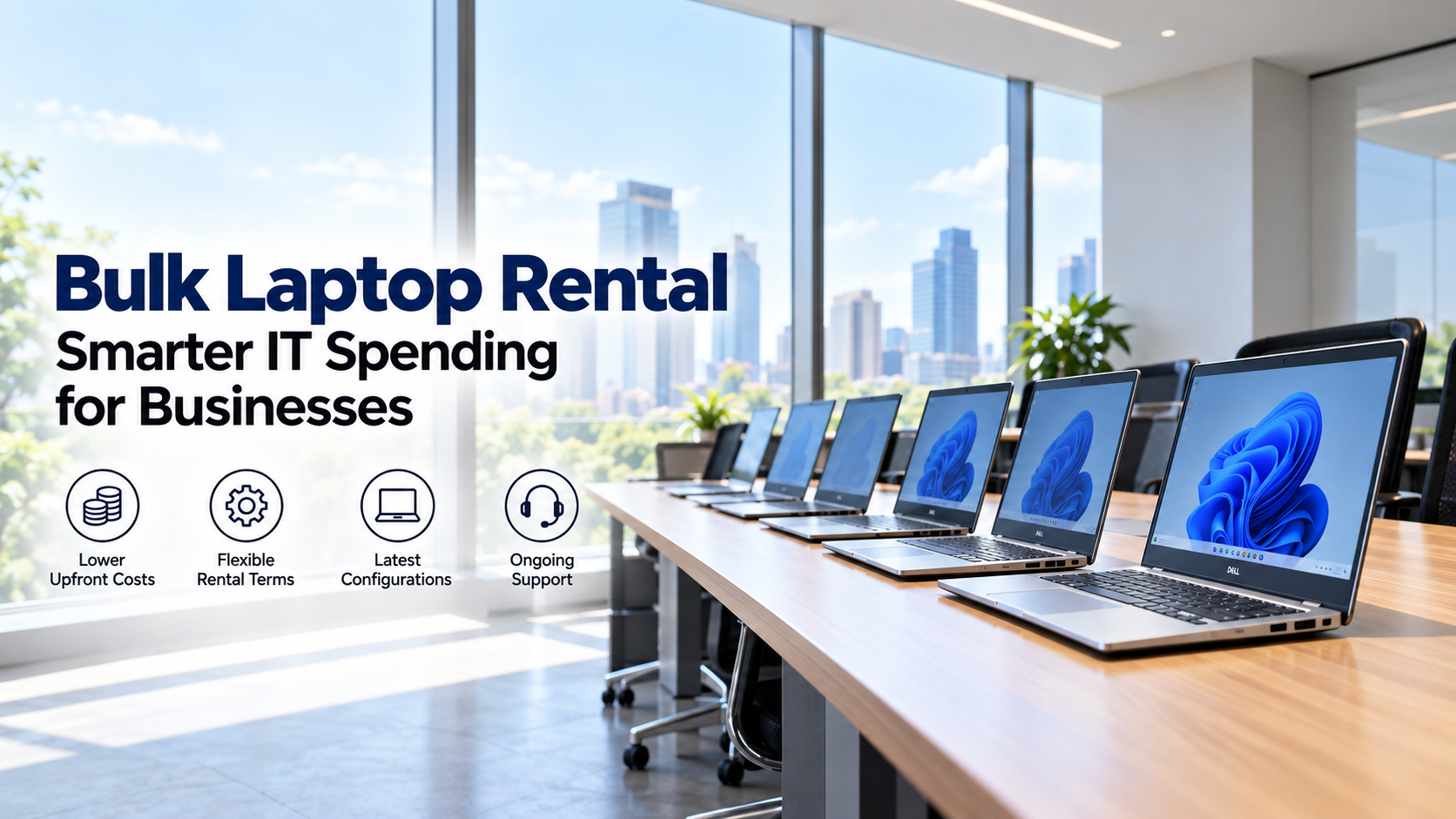

Expanding business operations into India gives international organizations access to a large talent pool. However, managing employee technology can be challenging without local infrastructure. IT Rental for Foreign Companies offers a practical way to provide reliable laptops, workstations, and other IT equipment without maintaining local hardware inventory or a dedicated procurement team.
For businesses headquartered in the US, UK, Europe, Australia, or Singapore, managing equipment across international borders involves more than placing an order. Employee onboarding, device delivery, technical support, replacements, and asset recovery all require local coordination.
Instead of purchasing and storing equipment, international organizations can work with an Indian rental provider to arrange hardware according to employee requirements and project timelines.
With a structured rental arrangement, companies can simplify IT deployment, reduce upfront expenditure, and maintain better control over their hardware requirements without building extensive local infrastructure.
The Hidden Complexity of Managing IT Hardware Overseas
International companies often establish Indian operations through remote teams, subsidiaries, Global Capability Centers (GCCs), or outsourced business functions.
Although hiring employees may be straightforward, ensuring that every employee receives suitable technology can be challenging.
For example, imagine a US-based software company hiring 30 developers across Bengaluru, Hyderabad, and Pune.
The company needs to identify suitable laptop configurations, arrange procurement, coordinate deliveries, and provide technical assistance. Additionally, it must establish a process for collecting equipment when employees leave.
Without an established local IT function, these responsibilities can consume significant administrative time.
The most common challenges include:
- Hardware procurement: Finding reliable suppliers and selecting suitable configurations.
- Inventory management: Storing spare devices and tracking available equipment.
- Multi-city logistics: Coordinating deliveries across different employee locations.
- Technical assistance: Managing hardware failures and replacement requests.
- Employee offboarding: Recovering equipment and protecting corporate data.
- Financial administration: Managing purchases, invoices, deposits, and hardware-related expenses.
Consequently, businesses need a hardware strategy that supports employee productivity without adding unnecessary infrastructure.
IT Rental for Foreign Companies as a Practical Alternative
Traditional hardware procurement gives businesses direct ownership of their devices. However, ownership also introduces responsibilities related to storage, maintenance, depreciation, and eventual disposal.
For international organizations with limited physical operations in India, these responsibilities may become difficult to manage.
A corporate rental arrangement offers another approach.
Rather than purchasing laptops and maintaining their own hardware inventory, companies can rent devices for agreed periods based on business requirements.
Depending on the rental provider and contract, the arrangement may include equipment sourcing, delivery coordination, maintenance support, replacement assistance, and device collection.
For example, a UK-based consulting company onboarding 50 employees for an eight-month assignment can explore renting the required laptops rather than purchasing equipment that may remain unused after the project.
This approach offers several advantages:
- Lower initial hardware investment
- Rental periods aligned with operational needs
- Access to different device configurations
- Reduced dependence on local storage facilities
- More predictable recurring hardware expenses
- Easier planning for temporary workforce requirements
Nevertheless, businesses should assess the total rental cost and contractual conditions before selecting a provider.
Building a Standardized Corporate Device Strategy
Successful hardware deployment starts with identifying what employees need to perform their jobs effectively.
Different departments often require different device specifications. Therefore, international companies should define approved hardware categories instead of purchasing identical laptops for every employee.
Business and Administrative Teams
Employees handling email, documentation, CRM applications, spreadsheets, and online meetings generally need dependable business laptops with suitable processors, memory, and SSD storage.
Software Development Teams
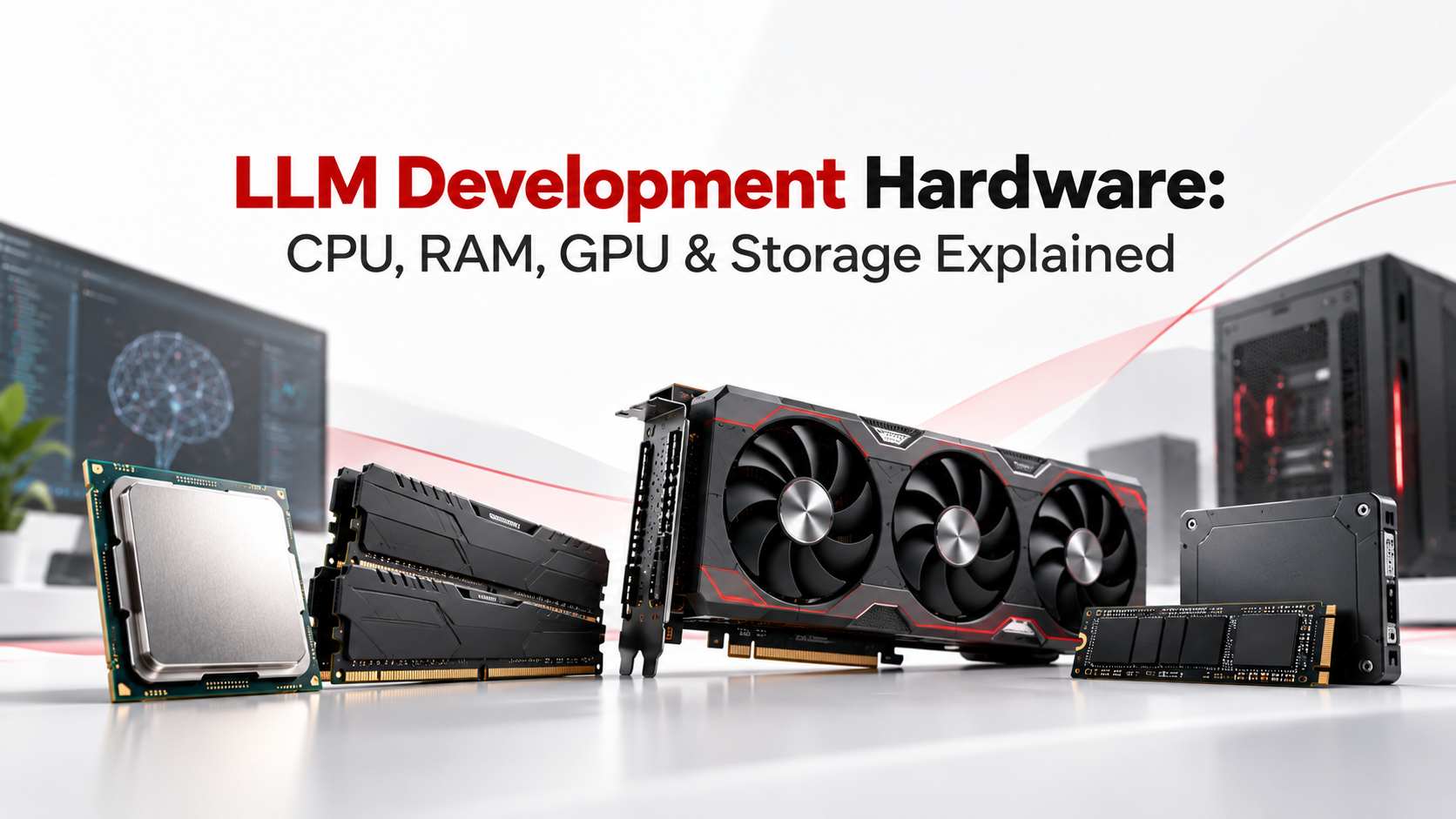
Developers may require higher RAM capacity, faster processors, and additional storage to run development environments, virtual machines, or resource-intensive applications.
Design and Creative Teams
Video editors, designers, and creative professionals may need high-performance MacBooks, graphics-enabled laptops, or professional workstations.
Engineering and Specialized Teams
Employees working with CAD applications, simulations, or technical software may require specific processors, GPUs, and memory configurations.
By defining these categories in advance, businesses can reduce configuration inconsistencies and simplify future deployment requests.
Moreover, standardized specifications make it easier to manage device replacements and evaluate hardware costs across departments.
Coordinating Multi-City Laptop Deployment in India

India’s major business centers are geographically dispersed. As a result, international companies often employ people across multiple locations rather than operating from one centralized office.
Consider a company hiring employees in Bengaluru, Gurugram, Hyderabad, Mumbai, and Pune.
Purchasing devices through a single location and redistributing them internally may create additional shipping, storage, and coordination requirements.
Instead, a rental provider with multi-city logistics capabilities can help arrange deliveries to approved offices or employee addresses.
However, effective deployment still requires planning.
Businesses should share essential information before placing an order:
- Employee locations and delivery addresses
- Required device quantities and configurations
- Expected joining dates
- Rental duration
- Authorized recipients and local contacts
- Software and security preparation requirements
Additionally, the provider should confirm availability, shipping charges, and expected delivery timelines for each location.
A centralized deployment plan helps international IT teams coordinate employee onboarding without personally managing every shipment.
IT Rental for Foreign Companies During Workforce Expansion
Workforce requirements rarely remain constant.
International organizations may recruit employees for new client projects, establish temporary delivery teams, or gradually expand their Indian operations.
Consequently, purchasing equipment for every anticipated position can create excess inventory if hiring schedules change.
Flexible hardware arrangements allow businesses to plan equipment requirements around actual employee demand.
For instance, a multinational organization may begin with 15 employees in India and gradually expand to 100.
Instead of procuring equipment for the entire projected workforce immediately, the organization can arrange additional devices as recruitment progresses.
Similarly, businesses managing short-term contracts can choose rental periods that correspond with their project timelines.
This makes IT equipment rental for MNCs particularly relevant to companies managing changing workforce sizes and multiple business locations.
However, rental agreements may include minimum commitments, renewal conditions, and early-return charges. Therefore, companies should evaluate these terms alongside their hiring forecasts.
Maintaining Productivity Through Local Technical Support
Providing employees with laptops is only the beginning of effective IT management.
Once equipment enters daily use, hardware problems can interrupt productivity and create additional work for overseas IT administrators.
A malfunctioning keyboard, storage failure, damaged display, or power-related issue may prevent an employee from completing important assignments.
Furthermore, differences in time zones can make troubleshooting more difficult when the primary IT team operates outside India.
A suitable local rental partner can help coordinate hardware-related assistance according to the agreed service scope.
Before finalizing a rental contract, companies should clarify:
- Technical support availability
- Hardware repair responsibilities
- Replacement device procedures
- Expected support response times
- Service coverage across employee locations
- Escalation procedures for unresolved issues
For example, an international consulting firm with employees across three Indian cities should understand how the provider handles device failures in each location.
Clear support arrangements help reduce uncertainty and allow global IT teams to coordinate incidents more effectively.
Importantly, organizations should distinguish hardware support from software administration, cybersecurity management, and internal helpdesk services, which may require separate arrangements.
Protecting Corporate Assets Through Structured Device Management
International organizations must maintain visibility over their IT assets, particularly when employees work remotely.
Without proper tracking, companies can lose oversight of device assignments, rental agreements, replacement histories, and return dates.
Therefore, businesses should establish a consistent asset management process.
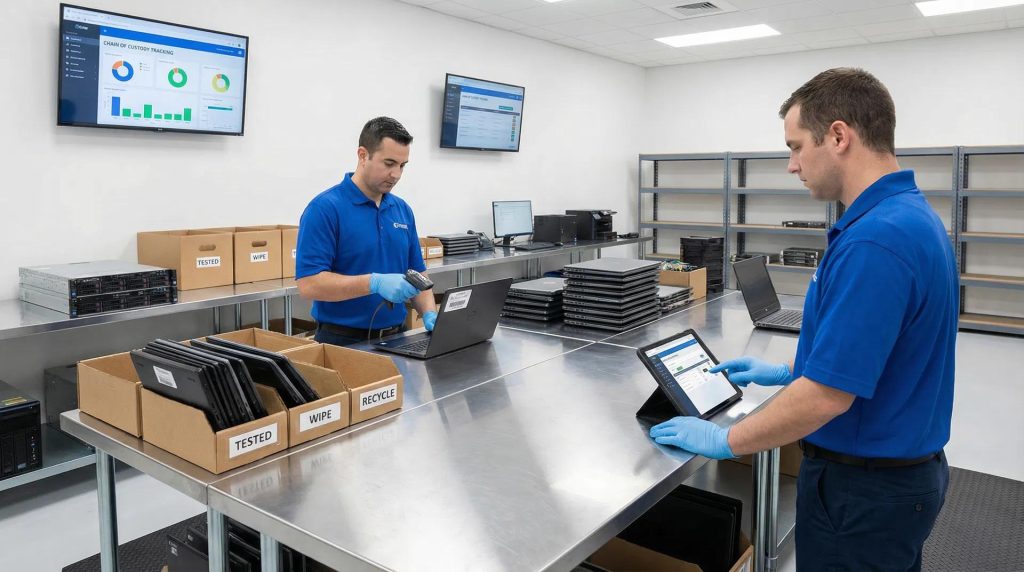
Each deployed device should have a record containing its serial number, configuration, assigned employee, deployment location, and rental period.
During onboarding, the company should document delivery confirmation and employee acknowledgment.
Likewise, changes such as employee transfers, hardware replacements, and rental extensions should update the asset record.
When an employee leaves, the organization should initiate the return process promptly.
Before returning equipment, IT teams should ensure that important corporate information has been backed up and securely removed according to company policy.
They should also verify that device management controls, corporate accounts, and software licenses have been handled appropriately.
Finally, the business and rental provider should reconcile returned devices, condition reports, outstanding charges, and asset records.
This structured approach helps organizations maintain accountability throughout the equipment lifecycle.
Comparing Hardware Ownership and Corporate Rental Models
Both purchasing and renting can serve international businesses effectively. However, their financial and operational implications differ.
Hardware Ownership
Purchasing may suit organizations with stable headcounts, long equipment lifecycles, and established local IT infrastructure.
Once a company owns its devices, it can retain and reuse them according to internal requirements.
However, the company must also account for:
- Upfront purchasing expenses
- Hardware maintenance and repair
- Inventory storage and administration
- Depreciation and technology obsolescence
- Employee asset recovery
- End-of-life disposal
Over a sufficiently long period, ownership may offer a lower overall cost.
Corporate Equipment Rental
Rental can be particularly useful for project-based teams, changing employee numbers, and businesses without an established Indian hardware management operation.
It reduces the need to purchase every device upfront and can help organizations align their hardware commitments with workforce requirements.
However, rental fees accumulate over time, and businesses must consider logistics expenses, deposits, damage liabilities, and contract restrictions.
Therefore, procurement teams should compare the complete cost of each option rather than focusing exclusively on monthly rental amounts.
Selecting the Right IT Rental Partner in India
A rental provider should offer more than competitive pricing.
For overseas companies, reliability, contract transparency, and operational coordination can have a significant impact on employee productivity.
Before choosing a provider, businesses should evaluate its equipment range, configuration availability, geographic coverage, and support arrangements.
Additionally, procurement managers should confirm whether the provider can accommodate changing device quantities and coordinate deliveries across multiple Indian locations.
Contract documentation is equally important.
International companies should review:
- Rental tenure and renewal procedures
- Advance payments and security requirements
- Logistics and handling charges
- Hardware maintenance responsibilities
- Loss and damage conditions
- Employee offboarding and return procedures
- Applicable taxes and invoicing requirements
Furthermore, companies should discuss contracting requirements and payment arrangements when the overseas organization does not have an Indian legal entity.
A clearly documented agreement reduces misunderstandings and helps both parties manage their responsibilities.
Simplifying India-Based IT Deployment with IndiaRENTALZ
Organizations exploring IT Rental for Foreign Companies can consider IndiaRENTALZ for corporate laptops, MacBooks, desktops, workstations, servers, and other IT equipment.
IndiaRENTALZ focuses on business IT rental requirements, including employee onboarding, temporary projects, and multi-location hardware deployments.
International organizations can share their required configurations, quantities, delivery locations, and rental durations to explore a suitable arrangement.
Depending on the requirement and agreed terms, the rental process can cover device sourcing, logistics coordination, hardware support, and equipment collection.
This approach enables overseas businesses to coordinate their Indian hardware requirements through a local rental partner without building an extensive equipment inventory.
Nevertheless, businesses should confirm availability, service coverage, documentation, and commercial conditions before finalizing an order.
Related Questions About Corporate IT Rentals
Can foreign companies rent laptops in India without opening a local office?
Yes. Foreign companies can approach Indian IT rental providers to explore equipment arrangements for employees based in India, even without a dedicated local office.
However, approval depends on the provider’s contracting requirements, business verification, billing arrangements, and applicable documentation.
How does IT Rental for Foreign Companies work in India?
The company first shares its hardware specifications, employee locations, quantity, and expected rental duration.
The provider then evaluates availability and proposes commercial terms.
After the required documentation, approvals, and payments, the provider coordinates equipment deployment according to the agreement.
During the rental period, support and replacement requests follow the agreed procedures. Finally, the company arranges equipment collection or renews the rental term.
Can rented laptops be delivered directly to remote employees?
Yes, some corporate rental providers can coordinate delivery to employee addresses across supported Indian locations.
However, serviceability, expected delivery timelines, logistics charges, and recipient verification requirements should be confirmed in advance.
Is corporate IT rental suitable for long-term employees?
Yes, long-term rentals can suit companies that prefer predictable operational expenditure and coordinated hardware management.
However, businesses should compare the total rental expense against purchasing costs for the complete expected usage period.
How are corporate laptops collected after employee resignation?
Typically, the employer initiates an offboarding request and confirms the collection location.
The employee then completes the required data backup and access-removal steps before the equipment is returned.
The rental provider and company subsequently verify device condition and settle any applicable contractual obligations.
Where can overseas companies rent business laptops and IT equipment in India?
IndiaRENTALZ provides corporate IT equipment rental options for businesses requiring laptops, MacBooks, workstations, desktops, and other technology products in India.
International companies can contact IndiaRENTALZ to discuss employee hardware requirements, rental durations, device configurations, and delivery locations.
For businesses managing distributed Indian teams, this can provide a practical starting point for arranging corporate hardware through a local rental partner.
Conclusion
Managing IT infrastructure for an overseas workforce requires careful coordination, particularly when a business does not maintain local hardware storage or dedicated procurement facilities.
Rather than handling every purchase, delivery, support request, and asset return internally, international organizations can consider a structured rental arrangement.
IT Rental for Foreign Companies can help businesses reduce upfront hardware commitments, support changing workforce requirements, and coordinate device deployment across India.
However, successful implementation depends on selecting appropriate equipment, maintaining accurate asset records, and establishing clear service responsibilities.
With proper planning and a reliable local provider, businesses can equip their Indian employees while keeping hardware management organized and scalable.
Equip Your India Team with IndiaRENTALZ
Planning to onboard employees, establish a new Indian team, or expand operations across multiple locations?
IndiaRENTALZ offers corporate laptops, MacBooks, workstations, and other IT equipment on rent for business requirements.
Contact IndiaRENTALZ to discuss your hardware specifications, rental duration, and deployment requirements.